When Lionel Messi's photo of yerba mate in his hand went viral around the world, people remembered the Argentine football king's deep connection to the traditional South American drink. However, in this land of football and tango, another world-class secret lies hidden: Argentina has led the global lemon production and export rankings for years, with an annual output of more than 1.5 million tons of lemons, accounting for nearly one-third of the global lemon trade. The Province of Santa Fe, where Messi's hometown of Rosario is located, is one of the core producing areas of Argentine lemons.
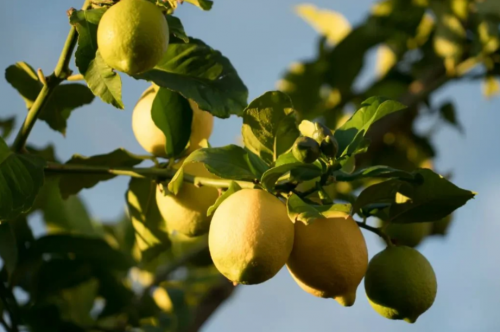
Argentine lemons: "green gold" overshadowed by the light of football
On the eastern edge of the Pampas, the provinces of Tucumán, Santa Fe and Entre Rios form the world-class "Lemon Golden Triangle". The lemon orchards here stretch as far as the eye can see, and from May to September every year, the golden fruits weigh down the branches and the air is filled with the fresh aroma of citrus.
Argentine lemons have three trump cards:
• Variety advantages: The main variety "Eureka" can be called a golden variety. This lemon originated in California but has found its ideal home in Argentina - the peel is dense and the aroma is strong; the juice content is as high as 35%, and the acidity is bright and sharp; the pulp is full in texture and contains 20% more vitamin C than ordinary varieties. • Geographical gifts: The Andes Mountains block the moisture of the Pacific Ocean, creating a dry Mediterranean climate with little rain; pure snowmelt irrigation water; more than 300 days of sufficient sunshine per year; and the temperature difference between day and night is as high as 15°C – these conditions together create the unique personality of the Argentine lemon: thin peel, juicy flesh and tart aroma. • Leading technology: Argentina has the world's most advanced post-production processing technology for lemons. From the branch to the port, lemons have gone through multiple processes such as grading, cleaning, waxing, and spectral testing, and the high-quality product ratio of exported lemons has exceeded 92%. What's even more unique is that Argentina has developed "freezing and storage" technology, which instantly freezes fresh lemon juice at -18°C to retain its fresh flavor, a method now also used in the production of high-end lemon products.
Messi's "invisible training partner": how lemons are woven into the Argentine genes
If you look closely at the eating habits of the Argentine national team, you will find that in addition to the well-known yerba mate and grilled meats, lemons are quietly present in various forms.
Lemons are actually the secret weapon of the training base
The citric acid of lemons helps relieve muscle soreness after intense training, so sports nutritionists add fresh lemon juice to athletes' drinking water to use its natural electrolytes and antioxidants to aid post-exercise recovery; athletes also rinse their mouths with lemon water before the game, and the fresh aroma can refresh the mind and enhance concentration.
The home kitchen also hides the daily philosophy of lemon
In Argentina, lemon is never just a condiment. A glass of freshly squeezed lemon juice mixed with warm water for breakfast is a day's "gut awakening ritual"; lunch barbecue must be served with "Chimichuri" sauce, the core of which is the collision of lemon juice and herbs; at tea time, a cup of freshly blended lemonade alternates with yerba mate; on dinner seafood, freshly squeezed lemon juice is always indispensable.
Messi's mother, Celia, once mentioned in an interview in her hometown: "When Leo caught a cold as a child, I was never in a hurry to give him medicine, but let him drink hot honey lemonade. This is the wisdom that Argentine mothers have passed down from generation to generation."
From the Pampas to the World: A Global Journey of Argentine Lemons
The journey of these high-quality South American lemons is far more exciting than imagined.
They are the "quality certification" of the European table, with more than 600,000 tons of Argentine lemons arriving in Europe every year, especially in the northern hemisphere winter-spring season (Argentina's summer-autumn harvest season), and in this season, they occupy more than 70% of the shelves of European high-end supermarkets. Chef Mario Cella, the chef of the Italian Michelin restaurant, once said: "The acidity level of Argentine Eureka lemons can give our seafood dishes a soul."
They are the "flavor cornerstone" of Asian drinks. In Japan, Argentine lemon juice is used in high-end cocktails and non-alcoholic drinks; in China, more and more new tea and juice brands are beginning to use Argentine lemon juice as the flavor base - the bright and sharp yet warm acidity that cannot be replicated by industrial lemon concentrate.
They are also the "natural raw material" of the health industry. Lemon oil, pectin, and polyphenols extracted from Argentine lemons have become important raw materials for natural health products and cosmetics around the world. Studies have shown that the flavonoid content of Eureka lemons in Argentina is about 15% higher than that in other producing regions.
Lemon: Another interpretation of the Argentine spirit
If football shows the passion and resilience of Argentines, and yerba mate embodies their sociality and tradition, then lemon interprets another national character.
Create infinity in the finite
Argentina has experienced economic ups and downs, but the lemon industry has steadily grown to become the world's number one over the decades. Behind this is the ultimate cultivation of a single category by farmers and scientists - how to maximize the value of a lemon? From fresh fruit to juice, from peel to essential oil, from domestic to overseas, Argentines have the answer.
Bright power in sourness
The sourness of lemon is just like those difficult moments in Argentine history. But this nation can always distill hope and vitality in the sourness, just as they transformed lemons from ordinary fruits into national business cards - acid can not be a defect, but a sign of personality and a source of vitality.
Natural messengers of globalization
Lemon has become a universal flavor language across language and cultural barriers. Through this golden fruit, Argentina has established trade links with more than 150 countries and created more than 100,000 jobs.
When Messi breaks through with the ball on the pitch, the grass under his feet may be absorbing the water next to the lemon orchard; when he drinks a recovery drink after the game, it may be nourished by the lemon from his hometown. This golden fruit, like the blue and white jersey, carries the sunshine, terroir and resilience of the Argentine land.
Today, when we taste a fresh and translucent lemon-flavored drink, the fresh acidity is not only the health promise of vitamin C, but also the wind of the Pampas, the snow of the Andes, and the dedication of a nation to the ultimate gift of nature. And this may be the real reason why gourmets and tasters around the world continue to pursue Argentine lemons - the best taste always roots in the most dedicated land.