In 1924, a summer garden party was quietly taking place in Washington, D.C. There was no clinking of champagne glasses, no amber stream of whisky; instead, there was a pale yellow liquid rippling in a crystal-clear glass, accompanied by a sprig of fresh mint and finely crushed ice crystals – a carefully crafted glass of lemonade.
The hostess of this party was the first lady of the United States at that time. Under the harsh laws of Prohibition (1920-1933), alcoholic beverages were eliminated in public, but social life still had to continue. As a result, a glass of excellent lemonade became a wise choice for White House hospitality.
The "Golden Age of Liquids" under Prohibition
On January 17, 1920, the Eighteenth Amendment to the U.S. Constitution went into effect, making it illegal to manufacture, sell, and transport alcoholic beverages. However, people's desire for socialization and pleasurable drinks did not disappear, but gave birth to an unexpected "lemon craze".
Lemon, an originally ordinary fruit, suddenly became the "social currency" of that special era.
The "pass" of speakeasies: Many speakeasies use lemonade as a cover and actually secretly serve moonshine in the back room. Fresh lemon can not only be used to make illegal cocktails, but its strong aroma can also help mask the smell of low-quality moonshine.
The "compliant elegance" of high society: In the White House and at high-class banquets, lemonade completes a magnificent turn from an ordinary drink to a ceremonial drink. The president's wife at the time attracted attention for her elegance and sense of style, and the lemonade tea party she hosted became a model for Washington's social circle - lemons are no longer just a condiment, but a decent, fresh and stylish symbol of lifestyle.
"Health secrets" in pharmacies: Due to the gradual recognition of lemon's rich vitamin C properties, many pharmacies have begun to promote lemon water as a "health refresher", and some doctors will even prescribe "lemon therapy" to prevent colds and boost spirits.
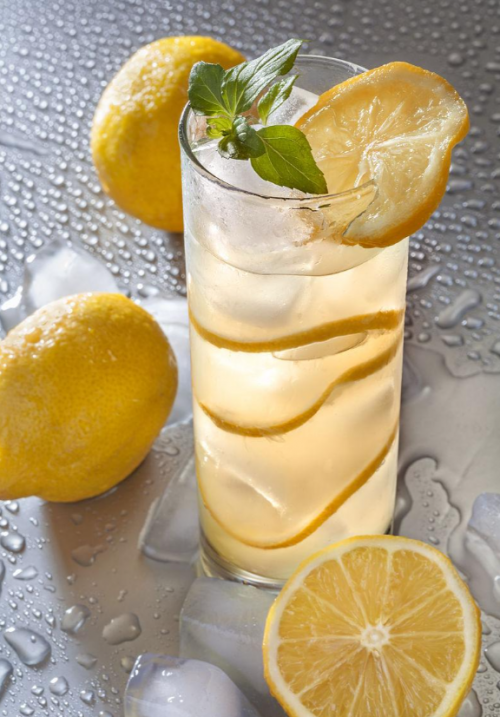
Lemonade: the "mocktail" during Prohibition
Bartenders during Prohibition, many who went underground, took the art of making lemonade to new heights.
A good glass of lemonade should have:
Rigorous material selection: Lemon varieties with plump peels, abundant oil sacs and rich juice are preferred, especially those from the Mediterranean coast and California. This is the same as today's pursuit of carefully selected South American Eurek lemons - the starting point of flavor lies in the purity of raw materials.
Craftsmanship:
●Lemons should be left at room temperature, rolled and loosened before being hand-pressed to maximize the release of essential oils;
●The syrup needs to be boiled separately and fused with lemon juice at a certain temperature;
●Add sparkling water or ginger ale to create bubbles;
●Garnishes include mint, rosemary, berries and even edible petals.
Flavour levels: A top-notch lemonade should have top notes (lemon zest oil aroma), heart notes (bright acidity of freshly squeezed juice) and finish (natural sweetness and mineral aftertaste) that rivals the complexity of a classic cocktail.
The social magazine at the time recorded: "At the afternoon party hosted by the president's wife, a special lemonade is indispensable - use a fine zester to scrape the lemon zest of the top layer of the lemon to avoid the bitterness of the white pulp; paired with Vermont maple syrup instead of regular granulated sugar; Finally, throw in a sprig of mint that she picked herself from the White House garden. Guests commented: This lemonade has an 'unforgettable lively acidity and a long aftertaste'. ”
Health wisdom beyond the times
The admiration for lemons during Prohibition was not only due to legal restrictions, but also from the rediscovery of their intrinsic value:
1.Natural health guardian
Vitamin C content is outstanding (about 53mg of vitamin C per 100 grams of lemon juice), and lemons were regarded as a natural product for preventing colds and strengthening resistance in an era when antibiotics were not yet widespread.
Citric acid promotes digestive juice secretion, which can help alleviate indigestion caused by anxiety and dietary changes during Prohibition.
Antibacterial and anti-inflammatory properties make it a home remedy for topical use on the skin.
2.Flavoring for refined life
Lemon juice replaces vinegar to provide a fresher and more acidic taste to salads and seafood.
Lemon zest adds a premium citrus aroma to desserts.
Lemonade becomes a social drink that replaces alcohol, maintaining a sober and pleasant conversational atmosphere.
3.Spiritual "refreshing remedy"
The fresh aroma of lemon is considered by the psychological community to have the effect of boosting mood and relieving stress.
Many intellectuals and artists use lemonade as a companion drink when creating, considering it "sober but not dull, lively and not impetuous".
From the presidential living room to modern life
After Prohibition ended, alcoholic beverages returned, but lemonade did not withdraw from the stage of history. Instead, it completed its evolution from an "alcohol alternative" to a "standalone drink category."
Today, when we sip on a glass of premium lemonade – or an innovative lemon-based drink such as the 15-proof Fruit Cube Lemon Juice, we are tasting not only the sweet and sour taste of lemon, but also a century-old flavor legacy.
It was the bartender's persistent pursuit of flavor during Prohibition, the wisdom of the first lady to maintain hospitality despite legal restrictions, and the healthy lifestyle that a society discovered during a special period.
The acidity of lemon is never just the taste. It is an attitude – to find a fresh, healthy and pleasant lifestyle under any restrictions. As people of that era discovered, true sophistication does not lie in whether the contents of the cup are allowed by law, but in whether we can taste the depth and breadth of life from the most natural gifts.
And this may be the reason why a hundred years later, we are still fascinated by the pure flavor of a cup of lemon - it carries the uncompromising pursuit of freshness, health and pleasure.